Key Takeaways
- Lake Travis is a water-supply reservoir built to rise and fall; Lake LBJ is a pass-through lake that LCRA typically keeps within about a foot of full.
- LCRA's residential dock rules apply on both lakes.
- Lake Travis suits buyers who commute to Austin. Lake LBJ suits second homes and owners who want water at the dock in dry years.
- At The Trails on Lake LBJ, owners share a private marina and more than 500 feet of common shoreline.
Buyers looking for lake property within reach of Austin usually end up weighing two lakes on the same river: Lake Travis, on the city's western edge, and Lake LBJ, about an hour out in the Hill Country. The Lower Colorado River Authority runs them for different purposes, and that shows up in the water, in the docks and in how people end up using each lake.
What Is the Difference Between Lake LBJ and Lake Travis?
Lake Travis is a storage reservoir and Lake LBJ is a pass-through lake. Travis, together with Lake Buchanan upstream, holds water supply for much of Central Texas and a large flood pool besides, so its level is meant to rise and fall with rain and drought. Lake LBJ has no flood storage. Water released from upstream passes through it, and in normal conditions LCRA keeps it within about a foot of full.
The towns differ as well. Lake Travis is lined by Lakeway, Lago Vista, Spicewood and the west Austin suburbs. Lake LBJ's shore belongs to Horseshoe Bay, Kingsland, Granite Shoals, Highland Haven and Sunrise Beach, Hill Country towns with more open land between them.
Where to Buy Land on Lake LBJ
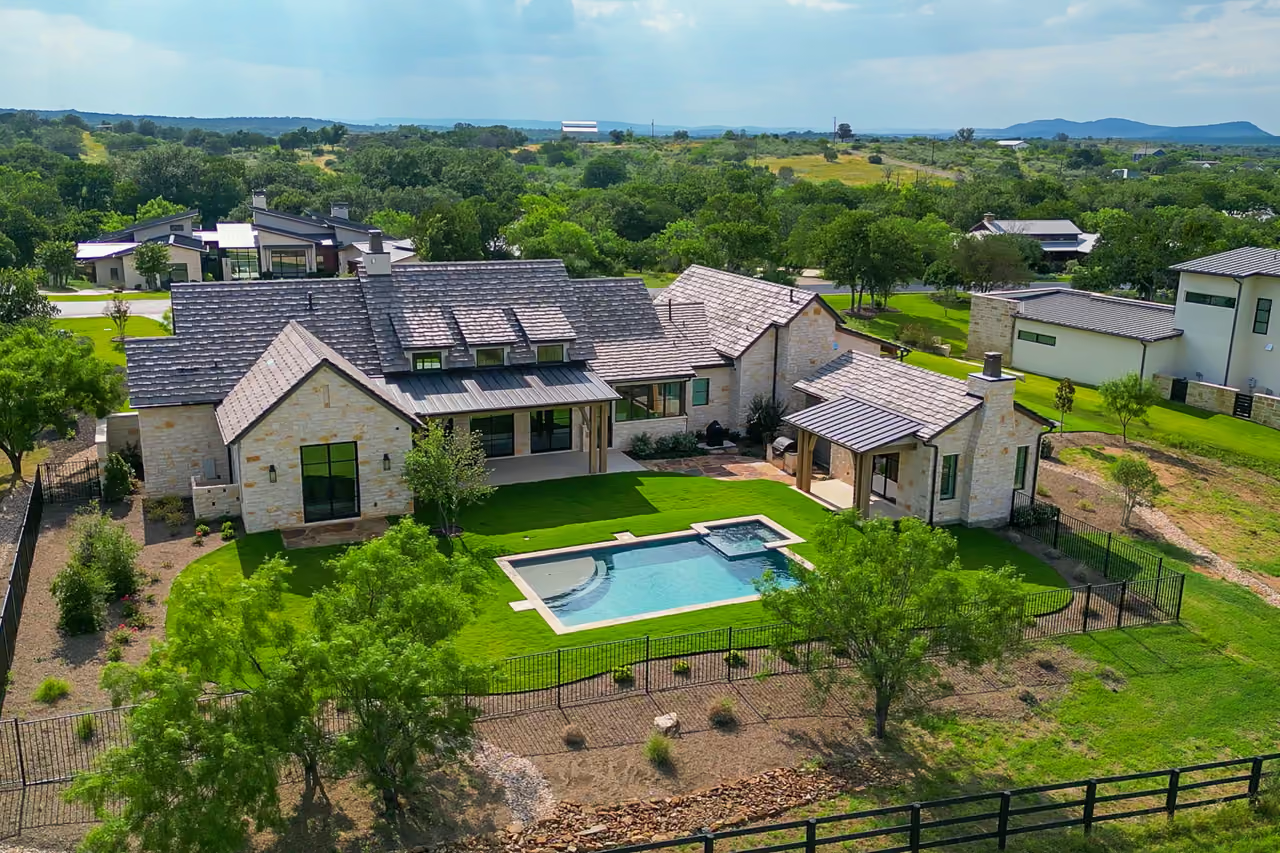
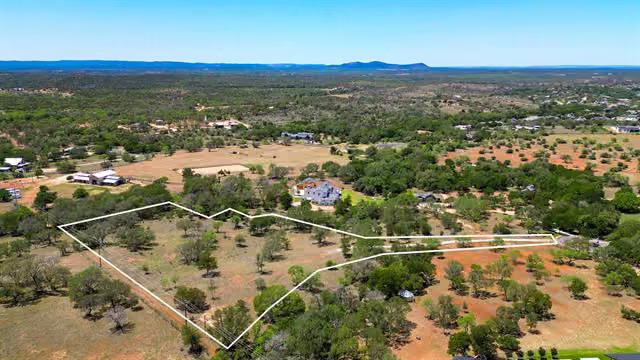
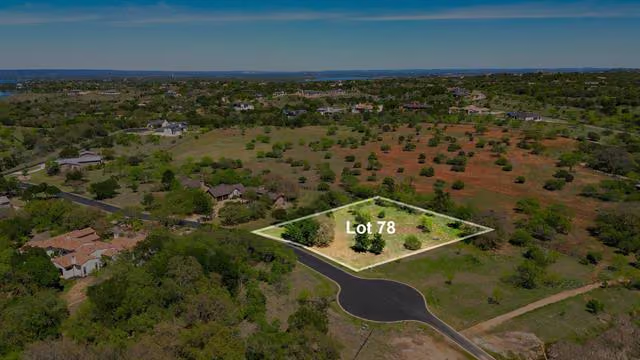
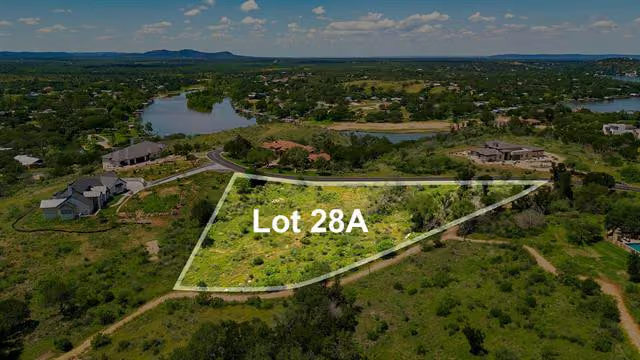
On Lake LBJ, The Trails of Horseshoe Bay sells acreage inside a gated community: homesites from about two-thirds of an acre to just over five, a private marina with covered slips for annual lease, and more than 500 feet of shoreline held in common for residents. Builders and developers can look at Phase 4, where select tracts carry a deeded boat slip.
Homesites for sale at The Trails · Phase 4 tracts for developers and builders
What Water Levels Mean for Docks and Boats
On Lake Travis, docks are generally built to float so they can follow the water, and in a long drought some end up far from it, along with the ramps that serve them. On Lake LBJ the shoreline stays put in ordinary years, so a dock sits where it was built. The exceptions are a major flood, when LBJ can rise well above normal while LCRA passes water through Wirtz Dam, and the occasional planned drawdown, when LCRA lowers the lake for dam maintenance or to let owners repair docks and shorelines.
The dock rules themselves are the same on both lakes. LCRA's Highland Lakes standards cover Travis and LBJ alike: a private residential dock of 1,500 square feet or less needs no LCRA permit but can reach no more than 50 feet from shore and must leave open water in the cove. Our guide to Lake LBJ docks, boat slips and water levels covers the rest.
Which Lake Is Closer to Austin?
Lake Travis, by a wide margin. Its eastern end sits at the edge of the metro, close enough that a house on the water can be a primary home with a daily commute and an easy run to Austin-Bergstrom airport. From Lake LBJ, Austin is a drive you plan rather than a commute. Owners who fly private can use the jet center at Horseshoe Bay Resort instead.
Horseshoe Bay vs. Lake Travis: Which Fits Your Plans?
If you will be in Austin most working days, Lake Travis is the practical choice. For a second home or a place to keep a boat on the water, Horseshoe Bay offers a different proposition: a Hill Country setting, resort amenities and a lake that generally maintains a more stable level.
If Lake LBJ is the lake for you, the Land Office can show you the marina and the homesites at The Trails: 512-470-5517.